Stewardship
For the Coleman family, farming has always been more than a livelihood. It’s a way of life.
It’s a way of cultivating community pride
while providing for the future and the present.
We are stewards of the land we farm, and also the people who help us farm it.
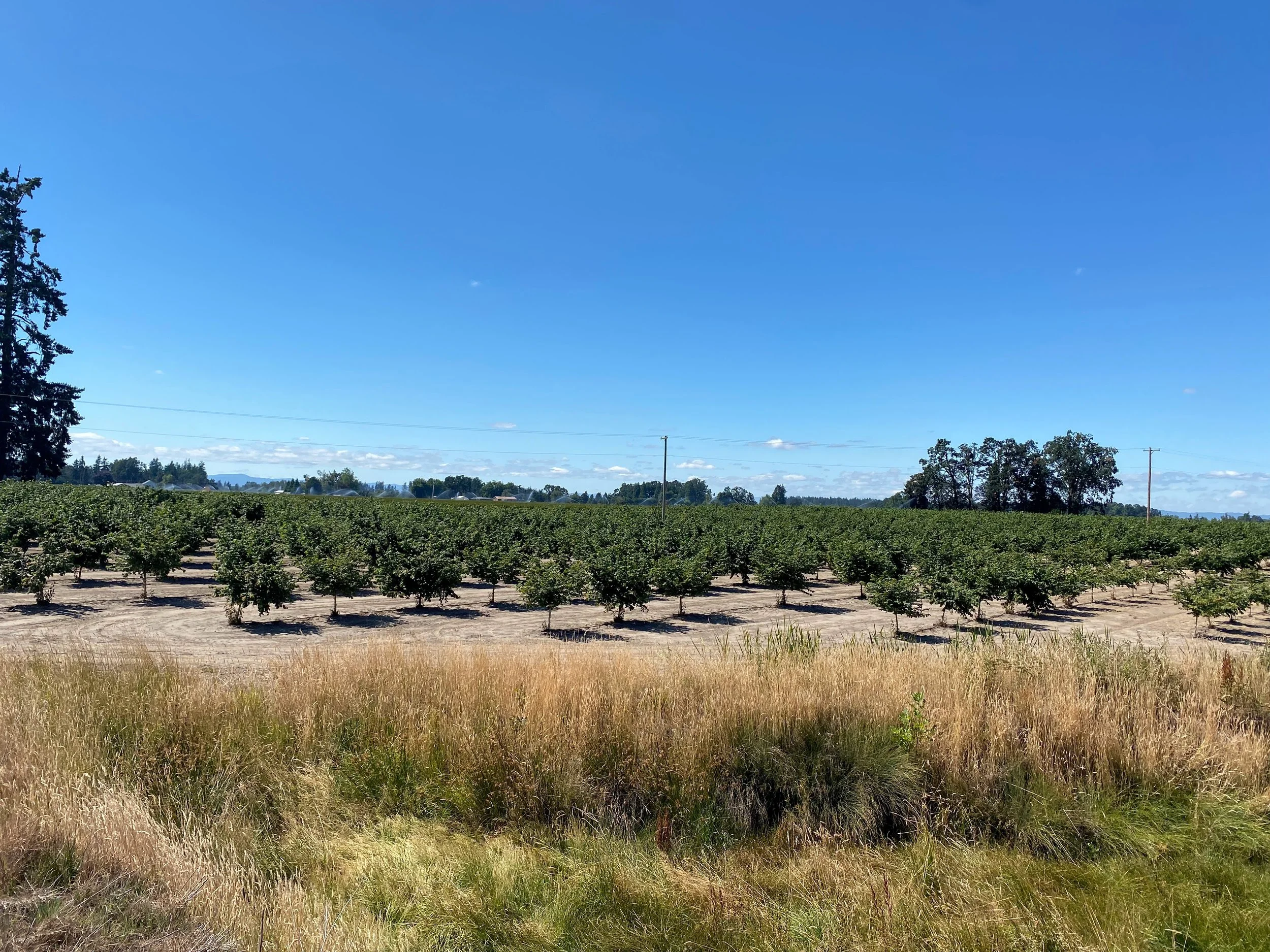
We are proud to manage our agricultural resources to ensure long-term farm productivity,
while fostering community traditions and economic vitality.
Without farms, there would be no food, but without people, there would be no farms.
That’s why we utilize sustainable farming practices and partner with conservation-minded folks to fulfill our purpose constant improvement. We believe that by combining hundreds of years of traditional farming know-how with modern sustainable methods, we can utilize the land in a way that best serves us all.
We are dedicated to transforming land management practices to maintain a more sustainable and ecological farming operation.
Non-Profit Organizations We Proudly Support
Founded in 1974, Oregon Wild is Oregon’s oldest statewide environmental nonprofit working to protect wildlands, wildlife, and waters for generations to come. Through public education, direct lobbying, grassroots activism, litigation, watchdogging, and community building, they fight for an Oregon where nature doesn’t just survive but thrives.
An outreach initiative of Oregon Wild, the Oregon Brewshed® Alliance is a coalition of breweries, conservationists, and brewing community partners advocating for the protection of forest watersheds through public education, outreach, and events such as the “Wild & Scenic” Collaboration Series that is released each Earth Day.
Salmon-Safe certification implements water quality and habitat conservation practices to reduce watershed impacts on fish, protect water quality, and restore habitat. Salmon-Safe has become one of the nation’s leading ecolabels with more than 115,000 acres of farm and urban lands certified in Oregon, Washington, California, Idaho, Wyoming and British Columbia.
Oregon Agricultural Trust works to protect agricultural lands for the benefit of Oregon’s economy, communities, and landscapes. The goal is to keep farmland in farming. We support their “Cheers to the Land” campaign, which releases a series of beers and ciders every October to celebrate National Farmers’ Day.
Sustainability
Green Chief® is a farm quality and sustainability management program created by Yakima Chief Hops. This qualification helps achieve long-term goals in day-to-day farm operations. We work with this program to practice environmentally conscious and social responsibility solutions that ensure the delivery of clean, pure, safe hops of the highest quality.

We plant Cover Crops such as barley, clover, and perennial grasses between our hop rows in the off-season. This helps to reduce our carbon footprint by eliminating excess cultivation, provides nitrogen for the soil, creates natural weed control, prevents soil erosion, increases organic matter to the soil, reduces water runoff, and provides a habitat for beneficial insects. Reducing tilling helps us avoid disturbing microbial communities in the soil.

Drip Irrigation improves plant health and water conservation. By utilizing drip irrigation, we are helping to reduce the amount of runoff entering our waterways and leaching into the groundwater. By switching from big gun irrigation to drip, we can now direct the water to the plants root zone which reclaims the water that would have evaporated.

We use Soil Moisture Sensors to accurately provide irrigation data to our field managers, which decreases unnecessary water use and allows them to remotely activate or deactivate irrigation pumps. Additionally, weather stations that predict microclimate changes have been added to the mix, which allows managers to decide precisely how much water to use.

By launching MeasureTek at our Homeplace and Alluvial Farms, we’ve been able to standardize our hop drying process. Sensors installed in the kiln floors record the weight of the hops during drying and automatically adjust the airflow going into each kiln floor. This allows us to reduce inputs and maximize consistency. Using this technology in conjunction with propane-fueled burners, we reduce our carbon footprint while providing consistent moisture control for higher quality hops.

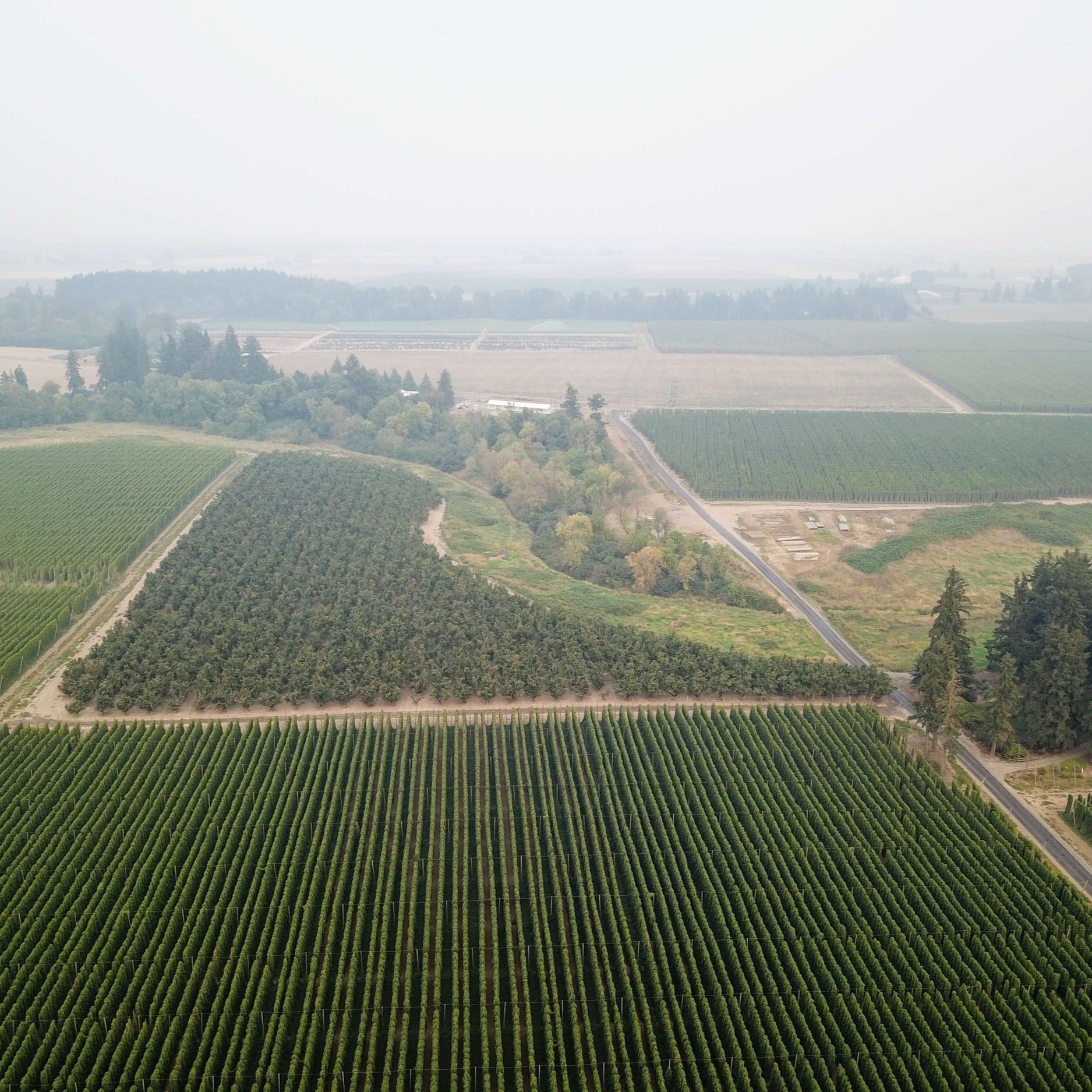
Biodiversity includes non-farmable land dedicated to stands of trees, ponds, and other habitats to foster beneficial organisms, creating stable ecosystems that benefit both farmers and the environment.
Native wildflowers provide homes for beneficial insects, such as ladybugs and bees. Not only do these flowers suport pollinators and valuable insects, but they also increase soil health and prevent erosion.
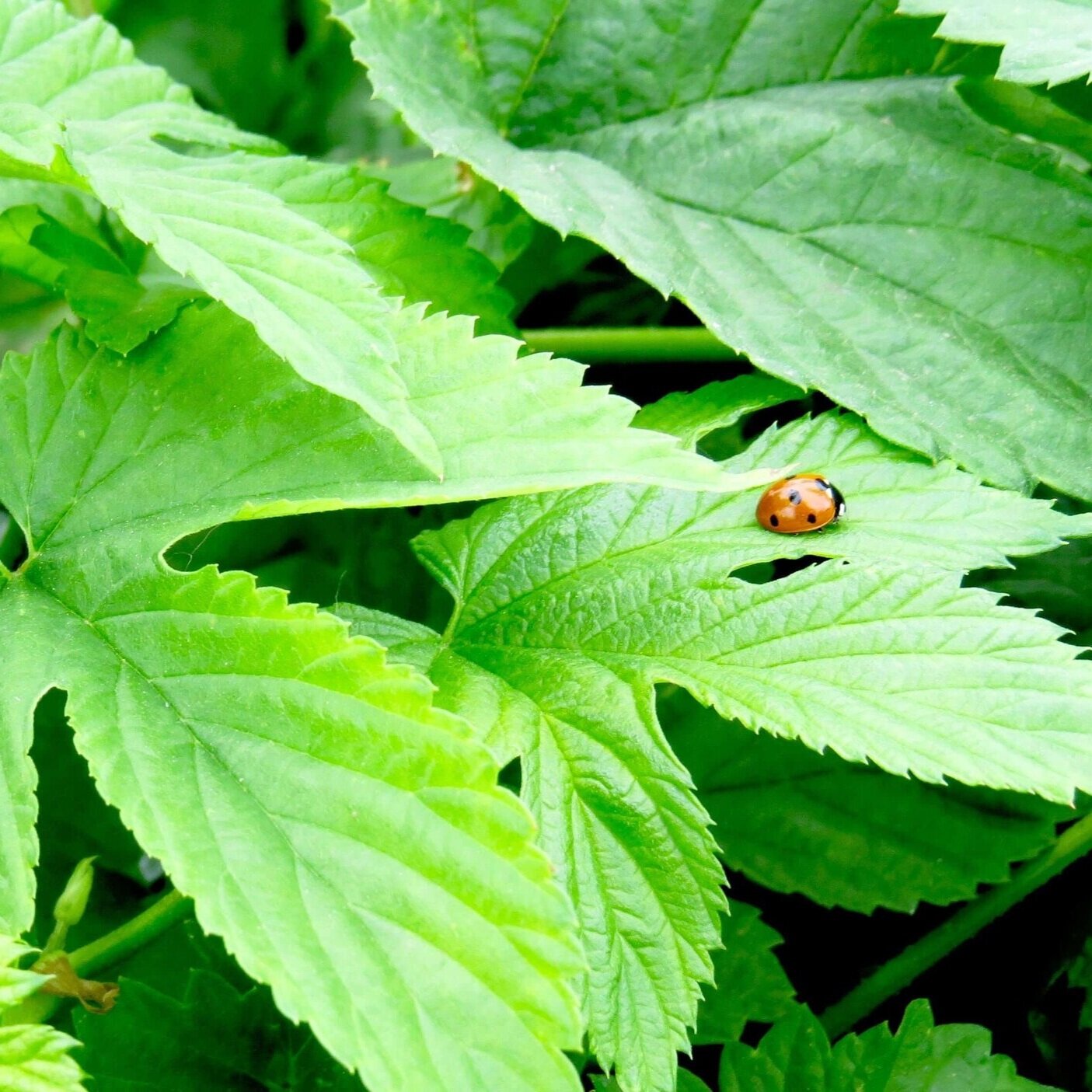
Integrated Pest Management is an ecosystem-based strategy for sustainable pest control that uses a combination of biological, cultural, and chemical methods to minimize economic, health, and environmental risks. Our Greenleaf Farm has been trialing the release natural enemies, such as predatory mites, a key biological control tactic that, along with conservation, reduces reliance on synthetic pesticides, boosts biodiversity, and supports healthier agricultural ecosystems.